Where Can I Fax Something? Your Step‑by‑Step Guide
If you’re asking where can i fax something, you have a few options ranging from brick‑and‑mortar fax stations to cloud‑based platforms you can access from any device. This guide breaks down each method, explains key features, and helps you decide which solution fits your workflow and budget.
Understanding Modern Faxing: From Paper to Digital
Faxing began as a simple way to transmit paper documents over telephone lines. Today, the technology has evolved into digital services that eliminate the need for a physical machine, ink, and paper. Even so, the core purpose remains the same: delivering a document to a recipient’s fax number quickly and securely.
Most modern fax solutions still rely on the underlying telephone network, but they add layers of encryption, cloud storage, and mobile accessibility. This shift means you can fax from a laptop, smartphone, or tablet without ever stepping into a fax room.
Traditional Fax Machines: Public Locations You Can Use
For occasional fax needs, many people turn to public facilities that still maintain working fax machines. These locations are especially handy when you don’t have a fax line at home or the office.
- Public libraries: Many larger libraries keep a fax machine available for patrons, often free or for a nominal fee per page.
- Shipping and mailing centers: Stores like UPS, FedEx, and The UPS Store typically offer fax services during business hours.
- Co‑working spaces and business centers: Shared office environments often include fax capabilities as part of their membership packages.
While convenient, public fax stations can be limited by operating hours, page counts, and the lack of advanced security features. Use them for non‑confidential documents or when you need a quick, one‑off transmission.
Online Fax Services: Fax Anywhere from a Computer or Smartphone
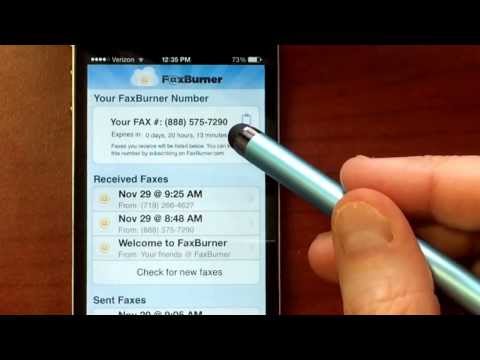
Cloud‑based fax providers let you send and receive faxes through a web portal, email, or mobile app. This eliminates the hardware requirement completely and adds modern conveniences such as digital signatures, OCR, and workflow automation.
Key benefits include:
- Accessibility: Fax from any internet‑connected device, 24/7.
- Security: Data is encrypted in transit and at rest, meeting many compliance standards.
- Scalability: Add or remove users as your business grows without extra equipment.
Pricing models vary, typically offering a monthly subscription based on the number of pages you send and receive, or a pay‑as‑you‑go option for very low volumes.
How to Choose the Right Fax Solution for Your Needs
Assess your fax volume, security requirements, and budget before committing to a solution. The table below highlights the main differences between three common approaches.
| Feature | Public Fax Machine | Traditional Office Fax | Online Fax Service |
|---|---|---|---|
| Initial Cost | None (pay per page) | Fax machine + line rental | Monthly subscription (often $5‑$20) |
| Setup Time | Immediate | 1‑2 days (install hardware) | Minutes (create account) |
| Security | Low (paper can be intercepted) | Moderate (depends on line encryption) | High (TLS/SSL, encrypted storage) |
| Scalability | Limited | Limited to number of lines | Unlimited users, pay‑per‑page scaling |
| Support | Staff at location | IT department or vendor | 24/7 help desk, knowledge base |
When you need a reliable, secure, and flexible faxing method, online services usually win out. However, if you fax rarely and have a low budget, a public fax machine might be sufficient.
Setting Up and Sending Your First Fax
Follow these steps to get started with an online fax provider (the process is similar for other solutions):
- Choose a provider and sign up for a free trial or basic plan.
- Verify your email address and select a dedicated fax number.
- Upload the document you want to fax (PDF, DOCX, JPG, etc.).
- Enter the recipient’s fax number, adding any international or area codes as needed.
- Optional: Add a cover sheet, signature, or encryption settings.
- Click “Send” and monitor the delivery status in your dashboard.
Most platforms send you an email confirmation once the fax is successfully transmitted, along with a receipt that can be stored for record‑keeping.
Common Use Cases and When Fax Still Matters
Despite the rise of email and digital signatures, many industries still rely on fax for specific tasks. Typical scenarios include:
- Healthcare: Transmitting patient records to comply with HIPAA regulations.
- Legal: Sending signed contracts to courts that only accept faxed documents.
- Real Estate: Delivering lease agreements to landlords who prefer fax.
- Finance: Submitting loan applications or bank forms that require fax verification.
In each case, the recipient often trusts fax as a legally recognized method of delivery, making it a practical fallback when other digital channels are unavailable.
Cost Considerations and Pricing Models
Understanding the cost structure helps you avoid surprise fees. Here are the most common pricing approaches:
- Subscription‑Based: A fixed monthly fee that includes a set number of pages (e.g., 500 inbound/outbound pages). Overage charges apply if you exceed the limit.
- Pay‑Per‑Page: No monthly commitment; you pay a flat rate per sent or received page. Ideal for occasional users.
- Hybrid: A low base fee plus reduced per‑page rates, balancing predictability and flexibility.
When evaluating plans, factor in hidden costs such as international fax rates, additional user licenses, and premium support options. A simple cost‑benefit analysis can clarify whether a subscription or pay‑as‑you‑go model is more economical for your fax volume.
Security, Reliability, and Support: What to Look For
Since fax often carries sensitive data, choose a provider that emphasizes security and dependable service. Key attributes include:
- Encryption: TLS for transmission and AES‑256 for stored documents.
- Audit Trails: Detailed logs that show who sent/received each fax and when.
- Compliance Certifications: HIPAA, GDPR, or other industry‑specific standards, if relevant.
- Uptime Guarantees: Service level agreements (SLAs) promising 99.9% availability.
- Customer Support: Live chat, phone, or email help available during business hours, with escalation paths for critical issues.
These factors affect not only data protection but also the overall user experience. A platform that integrates with your existing CRM or document management system can further streamline workflows.
Frequently Asked Questions
Can I receive faxes without a physical fax machine?
Yes. Online fax services provide a virtual fax number that captures incoming pages and delivers them to your email or dashboard as digital files.
Do I need a phone line to use an online fax service?
No. The service routes faxes over the internet, so a broadband connection is sufficient.
Is fax still legally binding?
In many jurisdictions, a faxed signature is considered a valid electronic signature, especially for contracts, legal filings, and healthcare documents.
How do I know if a fax was successfully delivered?
Providers typically send a delivery receipt via email or display status updates in the user dashboard (e.g., “Delivered,” “Failed,” or “Pending”).
Ready to start faxing with confidence? Explore the options, compare features, and pick the solution that matches your business needs. Whether you choose a public fax station, a traditional office fax machine, or an online fax service, you now have the practical guidance to answer the question of where can i fax something with clarity.